Every finished song starts as a rough idea. It might be a melody hummed in the kitchen, a line written on a napkin or a chord pattern found on an old guitar. Turning that idea into a project that listeners can hear takes planning, patience and teamwork. This article walks through the steps of a modern music project, from the first demo to release, and shows how to reach audiences who speak other languages.
Define the Project Before You Record
Decide what you are making. A single, an EP and an album need different budgets and timelines. Write down the purpose, the style, the number of songs and the date you want to finish. A short plan prevents wasted studio time.
A music project succeeds when everyone involved knows what finished looks like.
Write and Test Your Songs
Play new songs for friends, record rough versions and note which parts people remember. Cut sections that drag and strengthen the chorus. Collaboration with other writers often brings fresh ideas, as long as roles and credits are agreed early.
Honest feedback at this stage saves expensive changes later.
Build the Right Team
Musicians, a producer, an engineer and a mixing specialist each add skill. Choose people who understand your style and communicate clearly. Put agreements in writing, including fees, credits and how royalties will be shared.
Clear expectations keep friendships safe when money enters the room.
Recording at Home or in a Studio
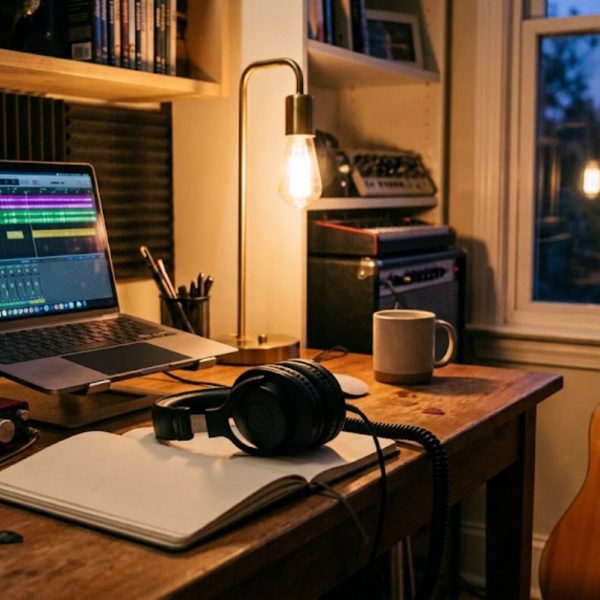
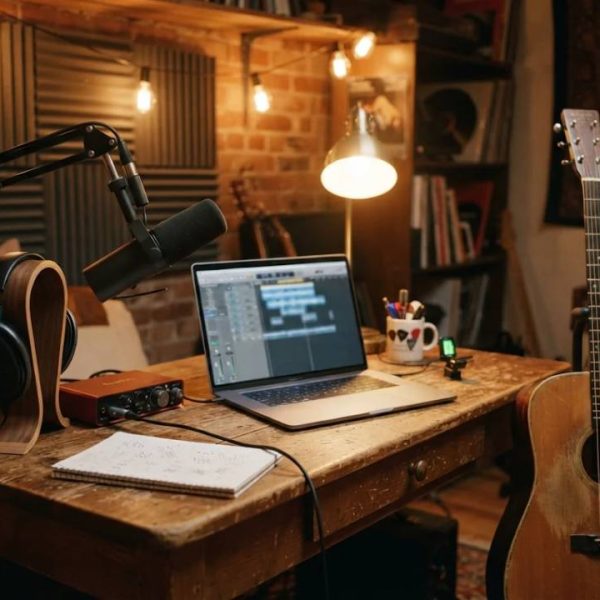
Home setups can sound excellent with a good microphone, a quiet room and careful placement. Professional studios offer acoustics, equipment and experienced ears. Many artists mix both, recording parts at home and finishing vocals or drums in a studio.
Preparation matters more than the price of the room.
Mixing and Mastering
Mixing balances the instruments, while mastering prepares the final sound for streaming and other formats. Listen on headphones, speakers and a phone to check that the song works everywhere. Take breaks, because tired ears make poor decisions.
Fresh listening is the cheapest tool in any studio.
Protect Your Rights
Register your songs with a performing rights organization so you receive royalties when they are played. Organizations like ASCAP collect and distribute payments for public performances. Keep split sheets, contracts and dates of creation in one folder.
Paperwork is not romantic, but it protects your income.
Reach Listeners in Other Languages
Streaming makes songs available worldwide, yet lyrics and descriptions can remain closed to many listeners. Translated titles, bios and lyric notes open new audiences, and artists planning tours or press campaigns often use portuguese translation services for interviews, contracts and promotional material.
A good translation keeps the feeling of the words, not only the literal meaning.
Videos and Subtitles
Music videos and live sessions travel further with subtitles. Poor timing or literal wording can ruin a joke or a poem. Our article on subtitle translation errors explains common mistakes and how to avoid them when you prepare captions for new audiences.
Subtitles are part of the performance, so give them the same care as the song.
Plan the Release
Choose a release date with enough time for artwork, press contacts and playlists. Prepare a short story about the song, a clear photo and a link page that gathers every platform in one place. Tell your fans early, because excitement builds when people know what is coming.
A calm release plan makes the launch week enjoyable.
Use Social Media With Purpose
Share short clips, behind the scenes stories and thank you notes rather than only asking people to listen. Reply to comments and invite fans to share what a song means to them. Regular, genuine posts build trust more than occasional big announcements.
Fans follow people, not only songs.
Play Live to Grow
Concerts, open mics, radio sessions and community events help you meet listeners face to face. Record your best live moments, collect email addresses and keep a simple list of venues and contacts. Small shows add up to a loyal audience over time.
Live music turns casual listeners into supporters.
Measure and Learn
After release, review streaming numbers, comments and sales to see which songs connect and where listeners come from. Use the information to plan the next project, perhaps with a collaboration or a tour in a region that responded well.
Every project teaches something for the next one.
Keep the Creative Spark Alive
Between projects, rest, listen to music outside your style and write without pressure. Take lessons, join a band or try a new instrument. Creativity grows when it has space and curiosity.
The next great song is usually closer than you think.
Budget Your Project Honestly
List every cost, including studio time, musicians, mixing, mastering, artwork, distribution and promotion. Add a margin for surprises, since projects almost always cost more than the first estimate. If money is tight, release fewer songs with better quality instead of stretching the budget thin.
A realistic budget lets you finish the project without stress.
Work With Producers and Engineers
Share reference songs so your team understands the sound you want, and be open to ideas that improve it. Give clear feedback by describing what you feel, not only technical terms. Good collaboration produces results that none of you would reach alone.
Respect and clarity make the studio a pleasant place to work.
Back Up Everything
Save sessions in at least two places, label files clearly and keep notes about plug ins, settings and versions. Lost files are painful and common. A simple routine at the end of each day protects weeks of work.
Backups are boring until the day they save the project.